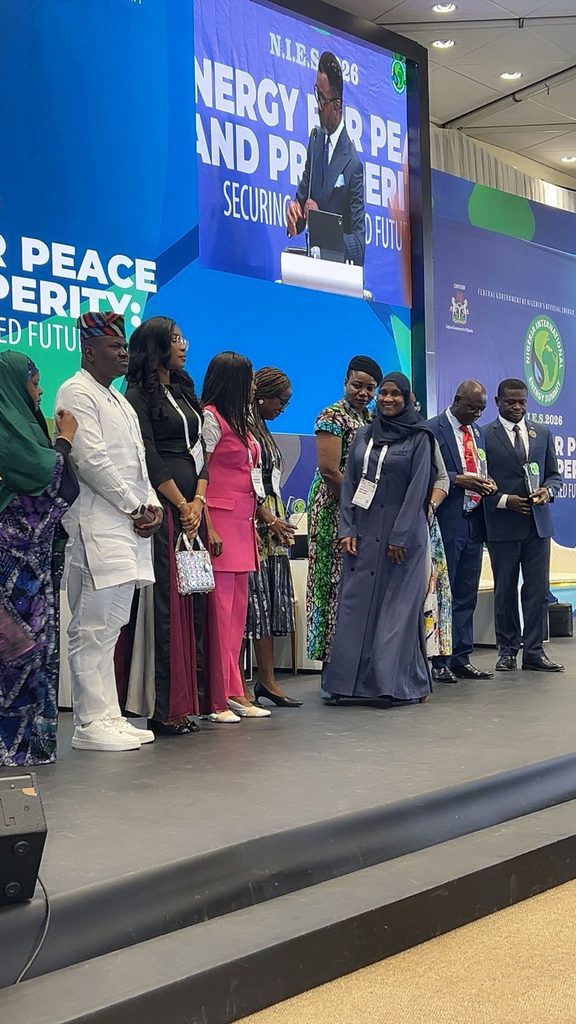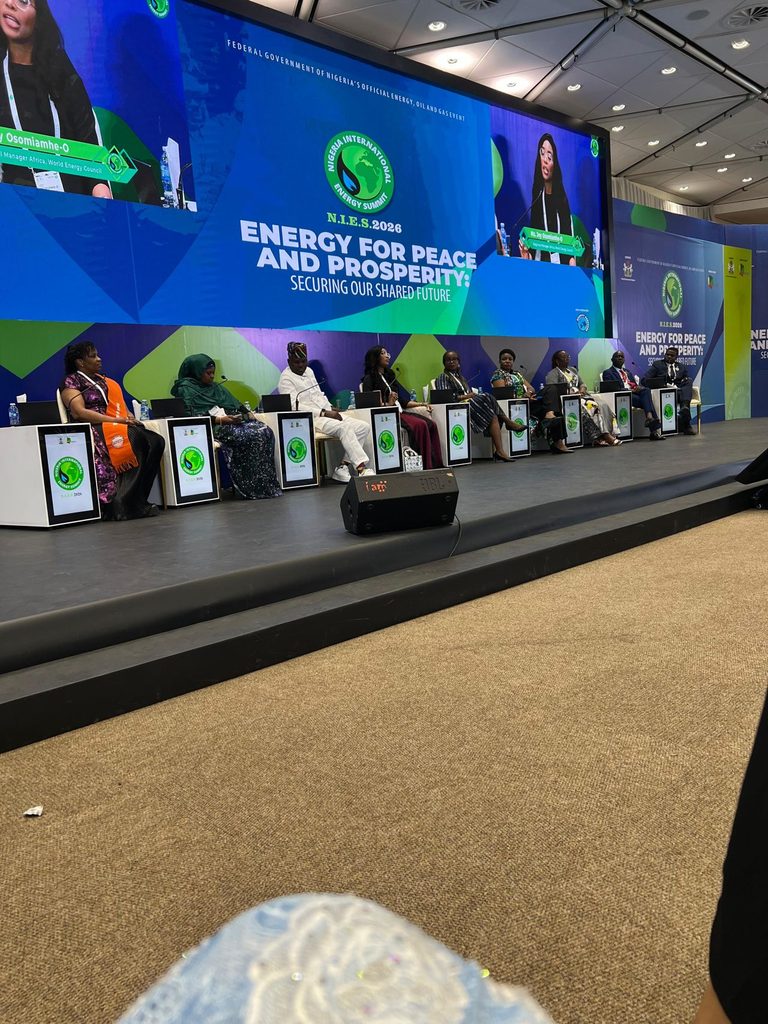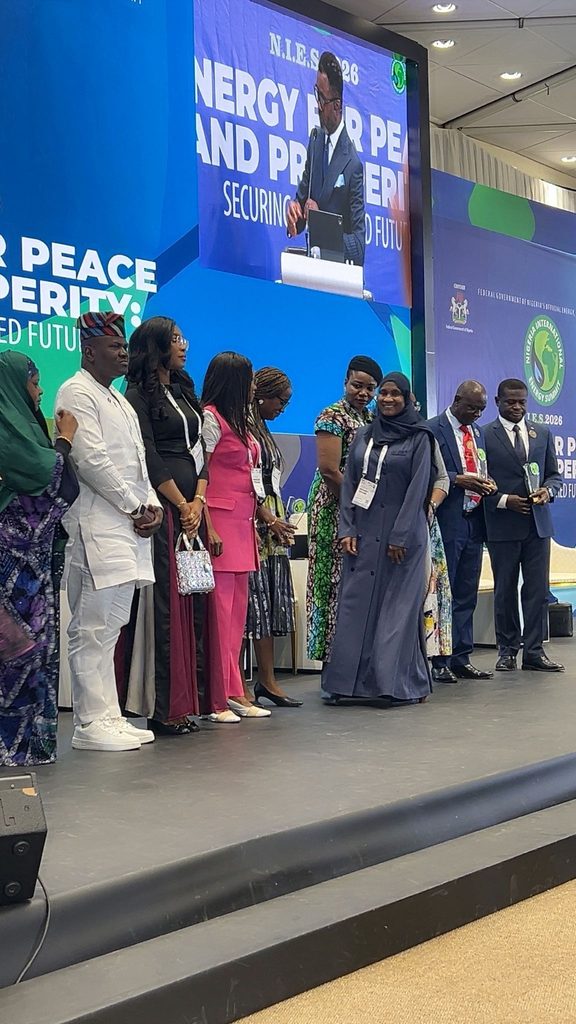

The Nigeria International Energy Summit (NIES) 2026 continues to provide a vital platform for conversations shaping the future of Nigeria’s and Africa’s energy sector, bringing together policymakers, industry leaders, investors, development institutions, energy professionals, and other key stakeholders.
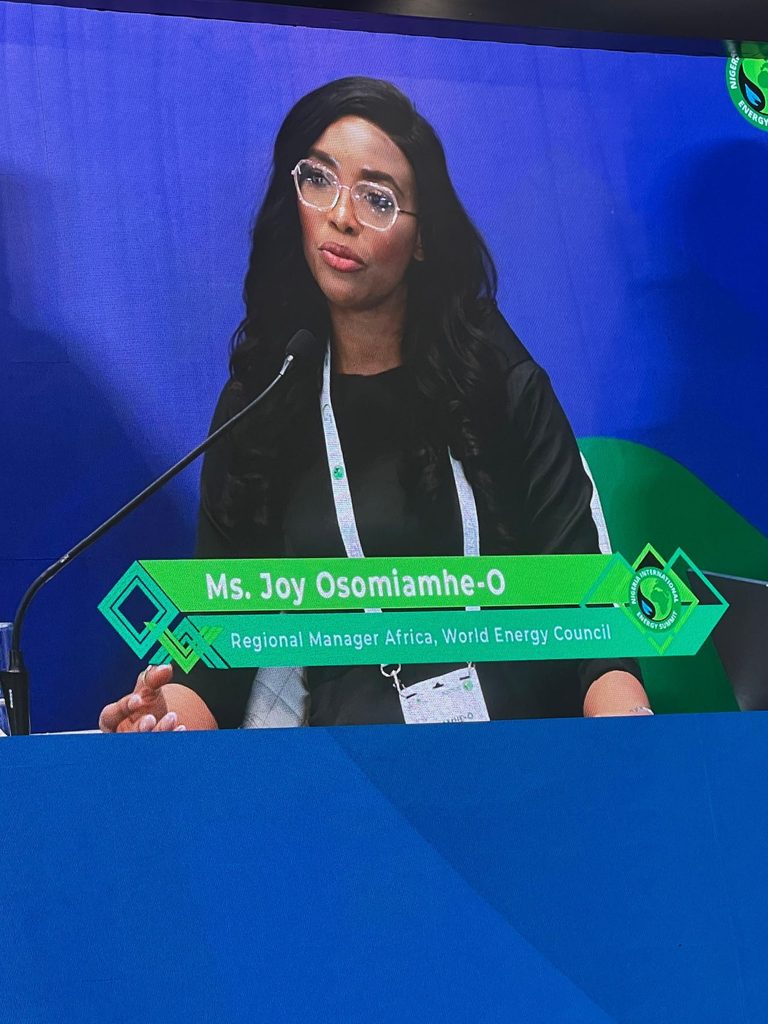
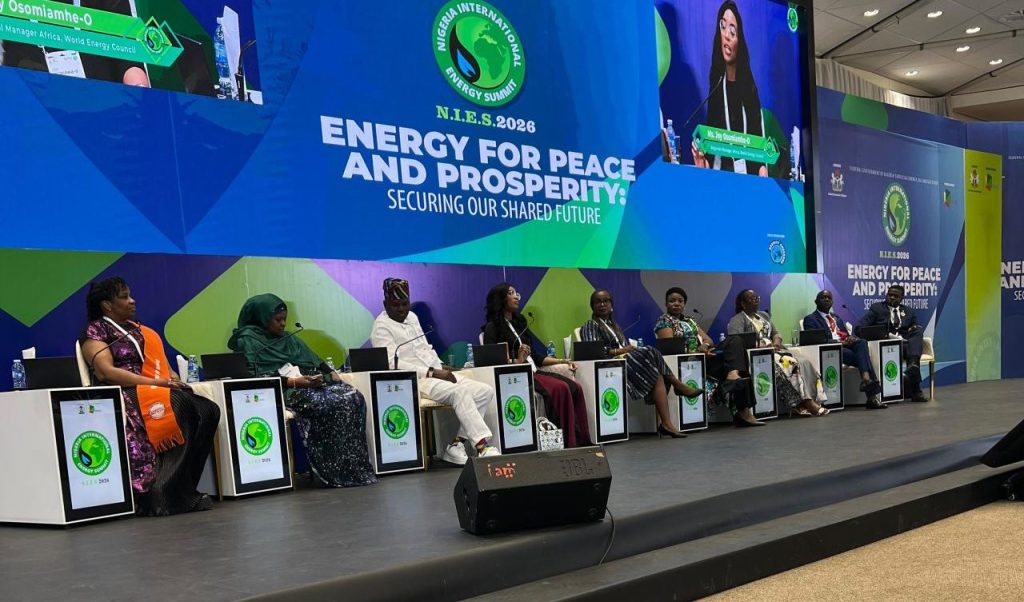
As part of the ongoing summit, Ms. Joy Osomiamhe-O, Regional Manager for Africa at the World Energy Council, participated in a high-level panel session focused on one of the most critical issues facing Africa’s energy transition: financing the future of energy.
The session, titled “Financing Energy for the Future: Mobilizing Capital for Inclusive Growth,” brought attention to the need for innovative financing mechanisms, stronger investment partnerships, and enabling frameworks capable of accelerating energy development while ensuring that the benefits of growth are accessible to communities and businesses across the continent.
Mobilising Capital for Africa’s Energy Future
Nigeria possesses significant energy resources and enormous potential for growth across its energy value chain. However, unlocking this potential requires substantial and sustained investment.
From electricity generation and transmission to distribution, renewable energy, natural gas, energy infrastructure, and emerging technologies, the scale of investment required to build a reliable, affordable, and sustainable energy system is considerable.
The NIES 2026 panel therefore addressed a fundamental question: How can Nigeria and other African markets mobilise the capital required to meet their growing energy needs while supporting inclusive economic development?
The discussion highlighted the importance of creating an investment environment that gives both domestic and international investors the confidence to commit long-term capital to the sector.
Financing Energy Access and Infrastructure
One of the central priorities in Africa’s energy development is expanding access to reliable and affordable electricity.
Energy access is closely connected to economic opportunity. Reliable power supports businesses, enables industrial activity, improves productivity, strengthens healthcare and education systems, and creates opportunities for communities to participate more fully in economic development.
However, expanding access requires investment not only in generation capacity but also in transmission networks, distribution infrastructure, off-grid systems, mini-grids, storage, gas infrastructure, and other enabling technologies.
Mobilising the necessary capital will require collaboration between governments, private investors, financial institutions, development partners, energy companies, and local communities.
The Importance of Inclusive Growth
The conversation around energy financing must extend beyond the question of how much capital can be mobilised.
It must also consider where that capital goes, who benefits from it, and how investment can contribute to broader economic development.
Inclusive growth means ensuring that energy investments create value across society—from large industrial consumers to small and medium-sized businesses, households, rural communities, entrepreneurs, and emerging industries.
For Nigeria, this presents an opportunity to use energy investment as a catalyst for job creation, local enterprise development, industrialisation, innovation, and improved quality of life.
Building Investor Confidence
Mobilising significant private capital requires more than identifying investment opportunities. Investors also need predictable policies, effective regulation, transparent markets, appropriate risk-sharing mechanisms, and viable commercial models.
The panel discussion underscored the importance of creating conditions that can help reduce investment risks and unlock long-term financing for energy projects.
Public-private partnerships, blended finance, guarantees, concessional financing, innovative investment structures, and stronger institutional frameworks can all play a role in bridging the financing gap.
For emerging markets such as Nigeria, effectively combining public and private resources will be particularly important in delivering projects that may have significant development value but face challenges in attracting purely commercial financing.
Strengthening Collaboration Across the Energy Ecosystem
The scale and complexity of Africa’s energy challenges make collaboration essential.
Governments provide policy and regulatory frameworks. Financial institutions provide capital and financial expertise. Private-sector organisations bring technology, operational capabilities, and investment. Development institutions can help de-risk projects and support capacity building, while local communities provide invaluable knowledge and participation.
Bringing these stakeholders together can help develop more practical and sustainable solutions to the continent’s energy financing challenges.
The NIES 2026 discussion therefore reflects a broader shift in the energy conversation—from simply identifying Africa’s energy needs to developing bankable, scalable, and inclusive solutions capable of addressing them.
A Critical Conversation for Nigeria and Africa
As Nigeria continues to navigate its energy transition, conversations around finance will remain central to the country’s development ambitions.
The future of Nigeria’s energy sector will depend not only on the resources available but also on the ability to attract, deploy, and sustain investment across the entire value chain.
The participation of Joy Osomiamhe-O in this high-level conversation reinforces the importance of bringing diverse perspectives and regional expertise to discussions about Africa’s energy future.
Her engagement at NIES 2026 contributes to the growing dialogue around how Africa can mobilise the capital, partnerships, innovation, and leadership required to build energy systems that are secure, sustainable, affordable, and inclusive.
Looking Ahead
The challenge of financing Africa’s energy future is significant, but so is the opportunity.
With the right policies, innovative financing mechanisms, stronger partnerships, and a shared commitment to inclusive development, energy investment can become a powerful driver of economic transformation across Nigeria and the wider African continent.
As stakeholders continue their engagements at NIES 2026, the message is clear: Africa’s energy future will require not only ambition, but capital, collaboration, innovation, and decisive action.
The conversation on financing energy for the future is therefore not simply about funding infrastructure. It is about investing in people, businesses, communities, industries, and the long-term prosperity of Africa.