
As an energy consultant, I believe some of the most valuable insights are developed at the intersection of strategy and operations. Understanding the energy sector goes beyond boardroom discussions, policies, reports, and projections; it requires seeing firsthand how energy is produced, processed, and delivered.
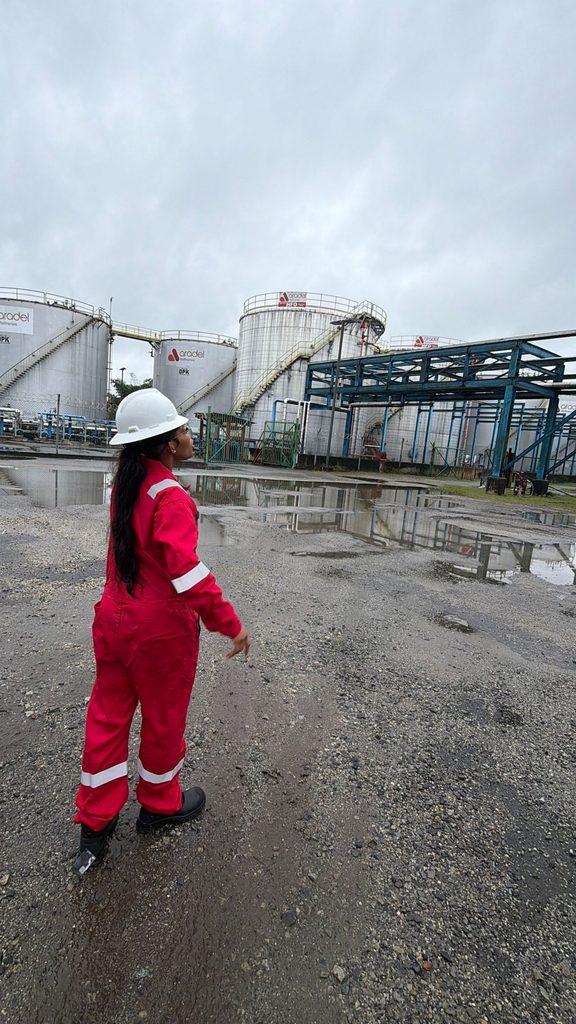
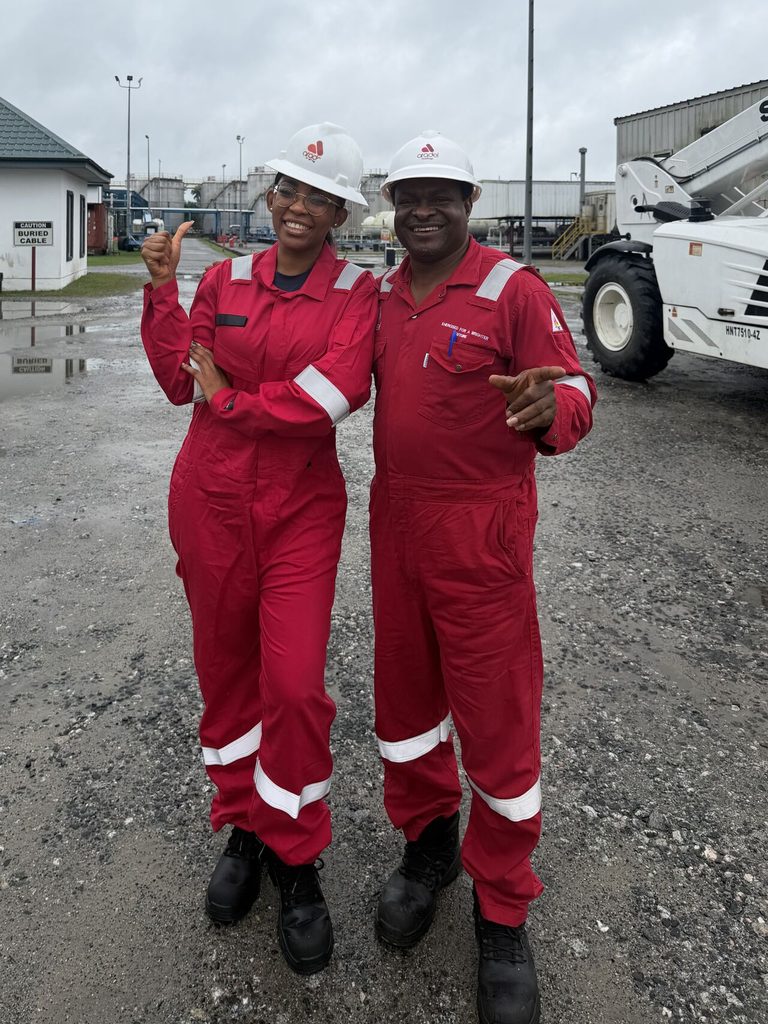
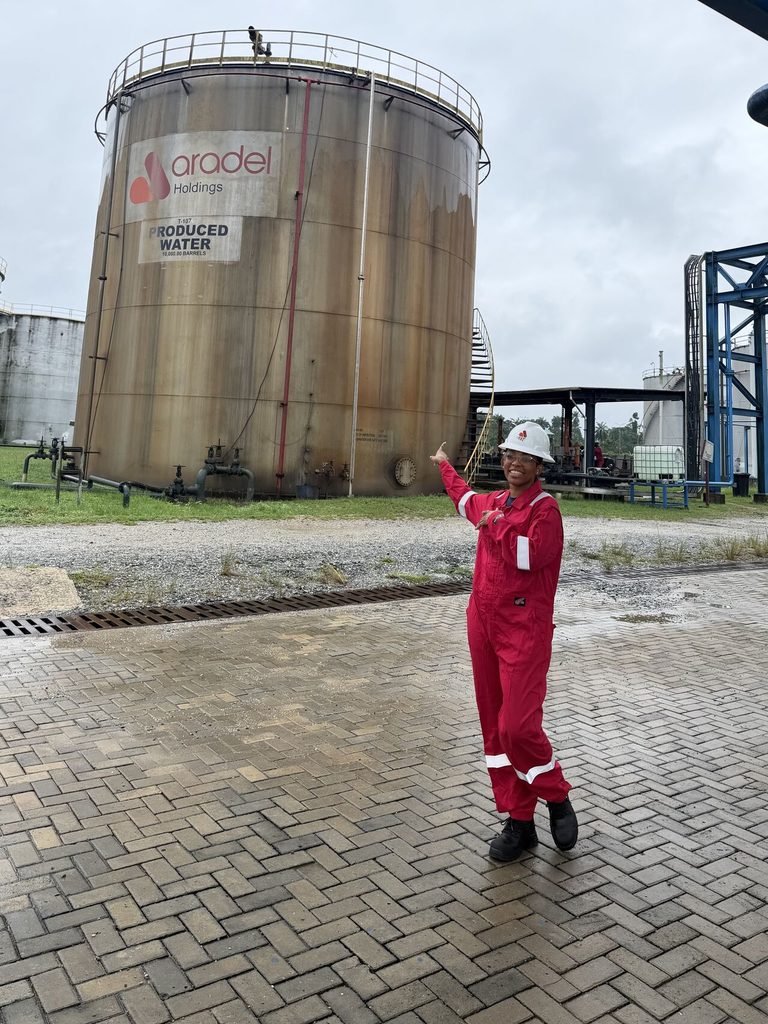
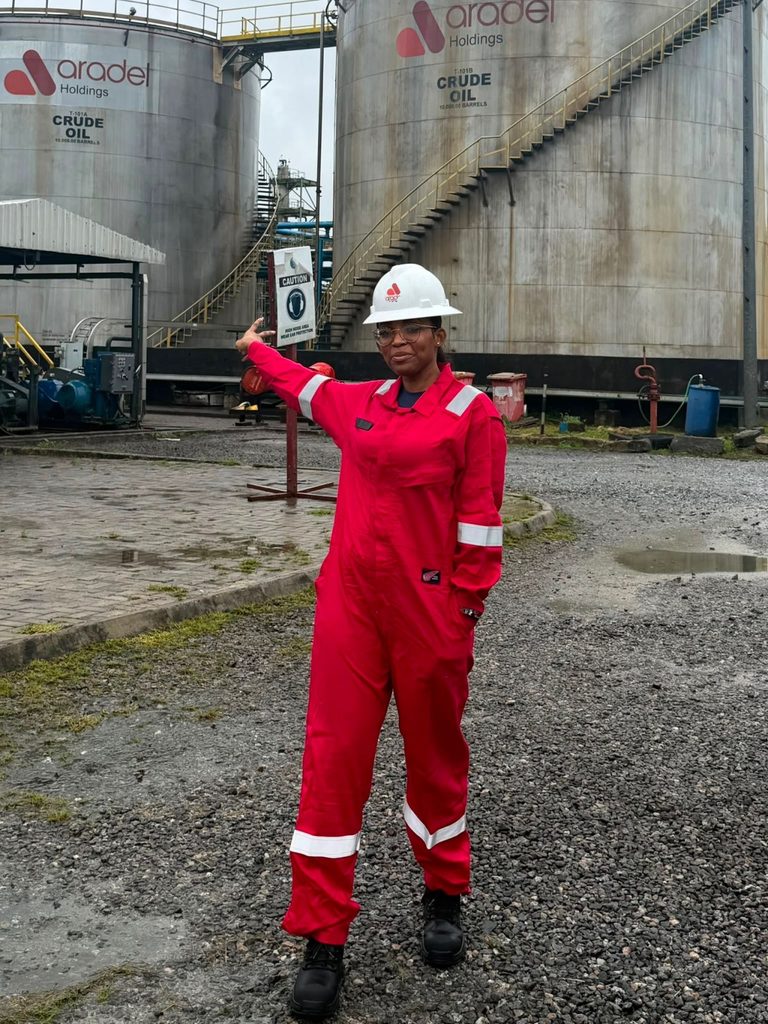
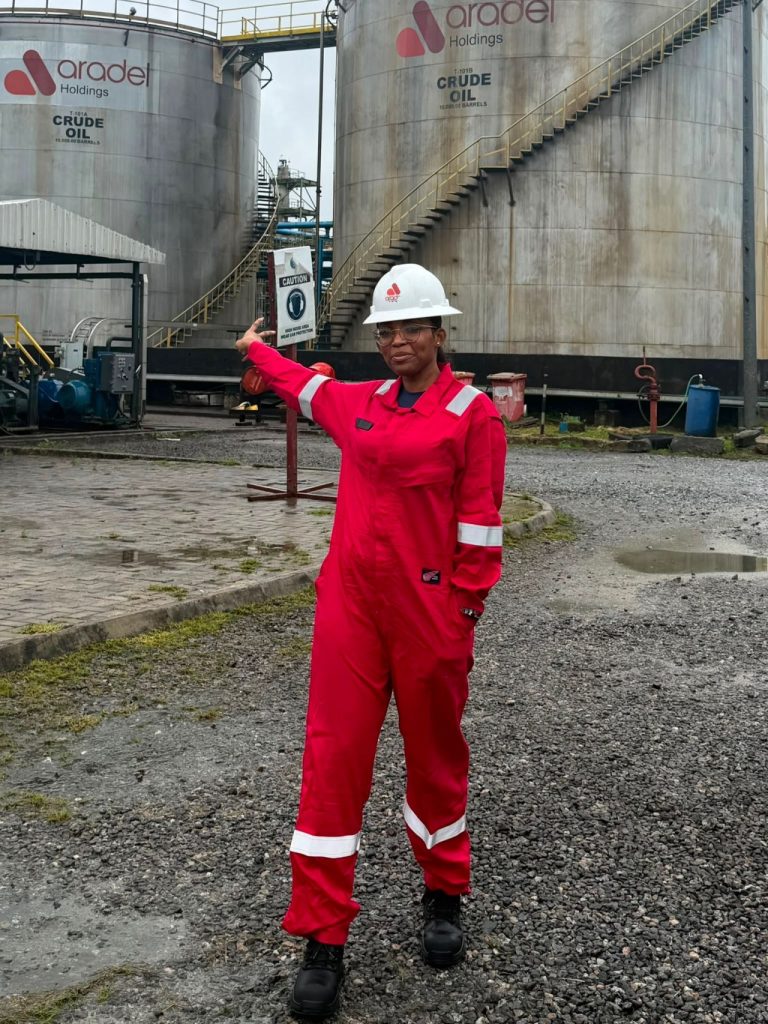
Just weeks after moderating a panel on ESG, Sustainability Reporting, and the Environmental Agenda for the North Sea at the Produced Water Society Conference in Aberdeen, Scotland, I had the privilege of visiting the historic OML 54 Ogbele Integrated Asset, operated by Aradel Holdings PLC in Nigeria.
The experience provided a rare opportunity to see the energy value chain in action and gain a deeper appreciation of the operational realities that underpin the conversations we have around energy transition, sustainability, and energy security.
Experiencing the Energy Value Chain Firsthand
The visit offered an opportunity to follow the journey of hydrocarbons from production through processing and distribution.
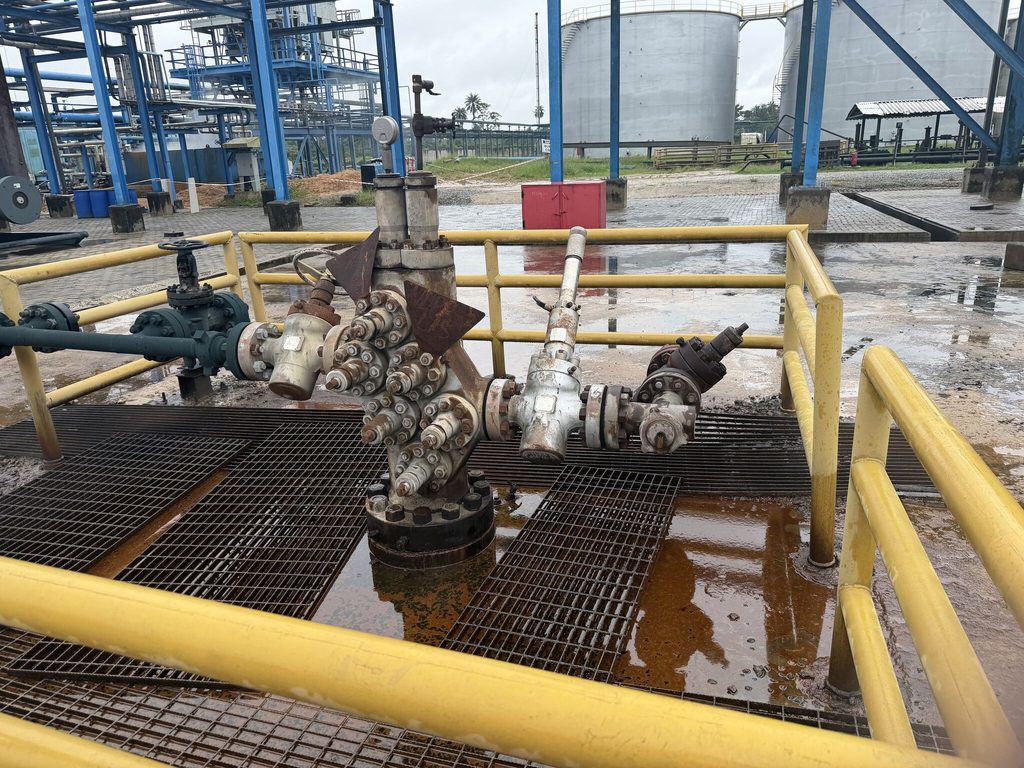
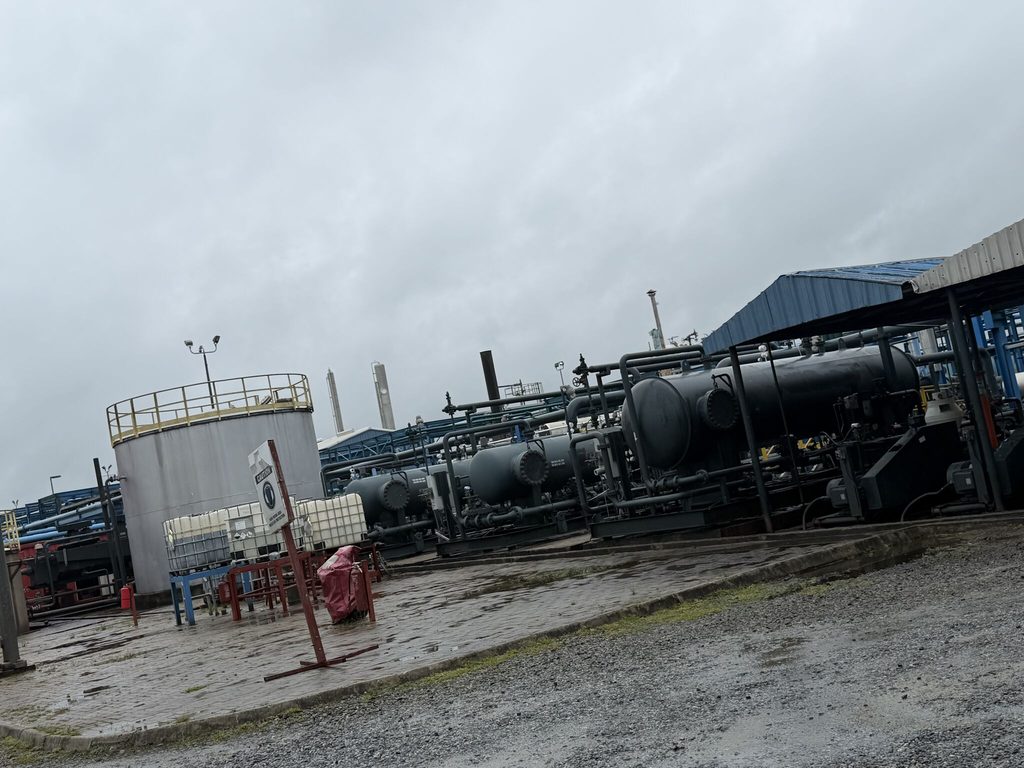
From observing a producing wellhead and Christmas tree, to seeing the separation of crude into oil, gas, and produced water, every stage demonstrated the complexity and interconnectedness of modern energy operations.
We also toured modular refinery facilities, experienced the operations of a gas processing facility, and observed refined petroleum products being loaded for distribution.
Seeing these processes firsthand reinforced an important lesson: effective energy strategy must be grounded in operational reality.
Policies and strategies may define where the sector wants to go, but it is engineering, infrastructure, technology, people, investment, and operational excellence that ultimately determine how successfully we get there.
Strengthening the Case for Gas-to-Power
As someone who advocates for gas-to-power as an important component of Africa’s balanced energy future, the experience was particularly valuable.
Africa’s energy challenge requires solutions that are both ambitious and practical. While renewable energy will play an increasingly important role in expanding access and supporting decarbonisation, Africa’s energy systems must also account for reliability, affordability, industrialisation, energy security, and the realities of existing infrastructure.
Natural gas can play an important role in this transition, particularly by supporting power generation, industrial development, and a more reliable electricity supply while renewable capacity continues to scale.
Understanding the complete gas value chain—from production and processing to utilisation—helps provide a more practical perspective when advising clients, policymakers, investors, and other stakeholders.
Learning Beyond the Boardroom
One of the biggest takeaways from this experience is the importance of continuous learning.
For energy professionals, knowledge cannot remain confined to presentations, strategy documents, conferences, or boardrooms. We must also understand the facilities, technologies, processes, challenges, and people that make our energy systems work.
The energy sector is evolving rapidly. Discussions around ESG, sustainability reporting, energy transition, decarbonisation, energy access, and energy security are becoming increasingly interconnected.
To contribute meaningfully to these conversations, professionals must develop both strategic understanding and operational awareness.
For every aspiring energy professional, my message is simple:
Never stop learning beyond the boardroom.
Visit facilities. Ask questions. Understand the technology. Speak with operators and engineers. Study the challenges on the ground. Connect strategy with reality.
The future of Africa’s energy sector will need professionals who can see the bigger picture while understanding the details that make that picture possible.
I am grateful to everyone who made this experience possible and to the professionals whose knowledge and perspectives made the visit even more valuable.
There is still so much to learn, and certainly much more work to do in shaping Africa’s energy future.